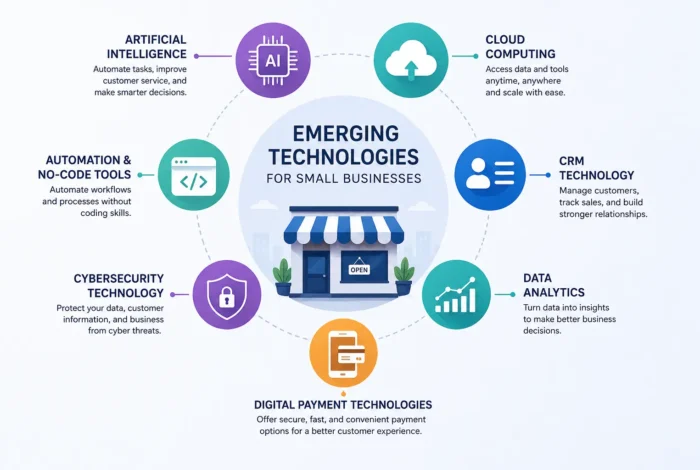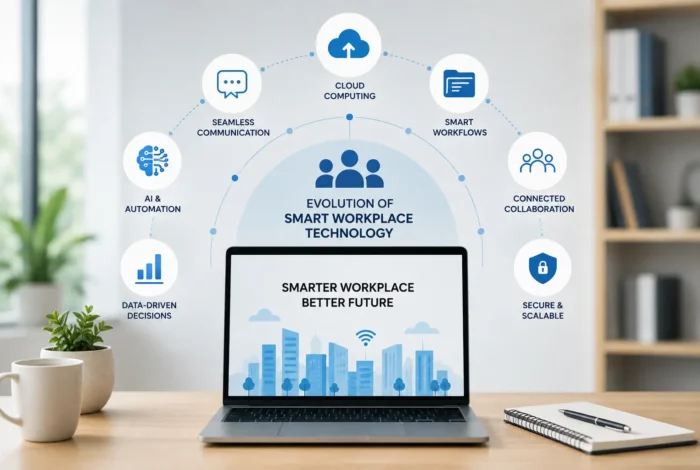

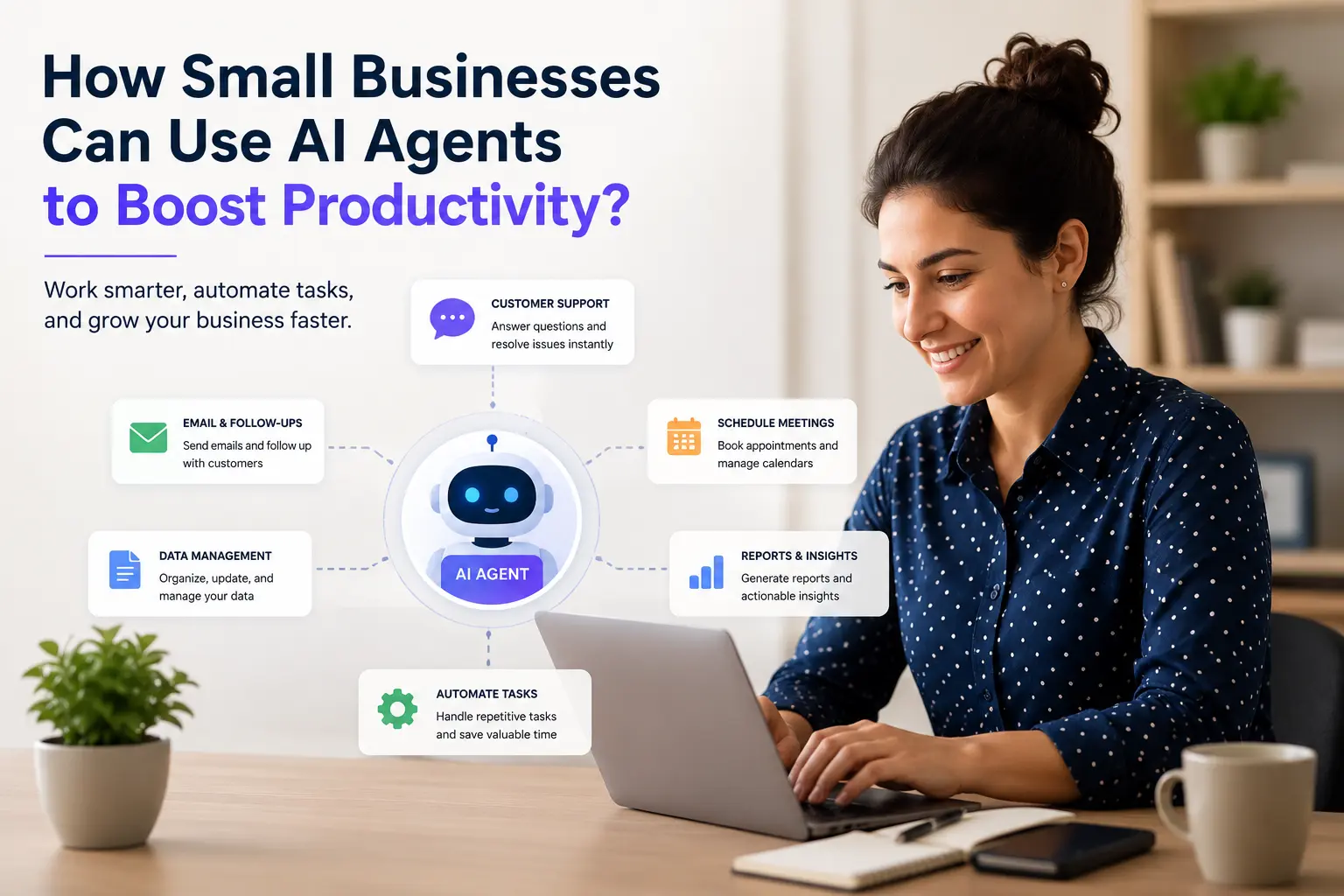
From all the conversations I hear about AI in the business world, it is one of the most mentioned technologies and AI agents are being touted as the next big leap in productivity. The offer is an attractive prospect for small businesses. An AI agent can provide answers for customers’ requests, organize data, create agendas for meetings, make reports and complete repetitive tasks without needing constant supervision of people. Unfortunately, for many business owners, the difficulty is understanding which AI agents will actually offer benefits or effectiveness to their businesses and which ones are just the latest IT marketing fad.
What’s actually true is that AI agents have the potential to be beneficial for small businesses, but only when employed properly. This is because the most successful businesses are not looking to hire a new workforce of AI bots. Instead, they’re relying on AI agents to cut repetitive work and reduce time spent on routine tasks, and free up time for employees to spend on customer service, sales, and strategy.
The Capabilities of AI Agents
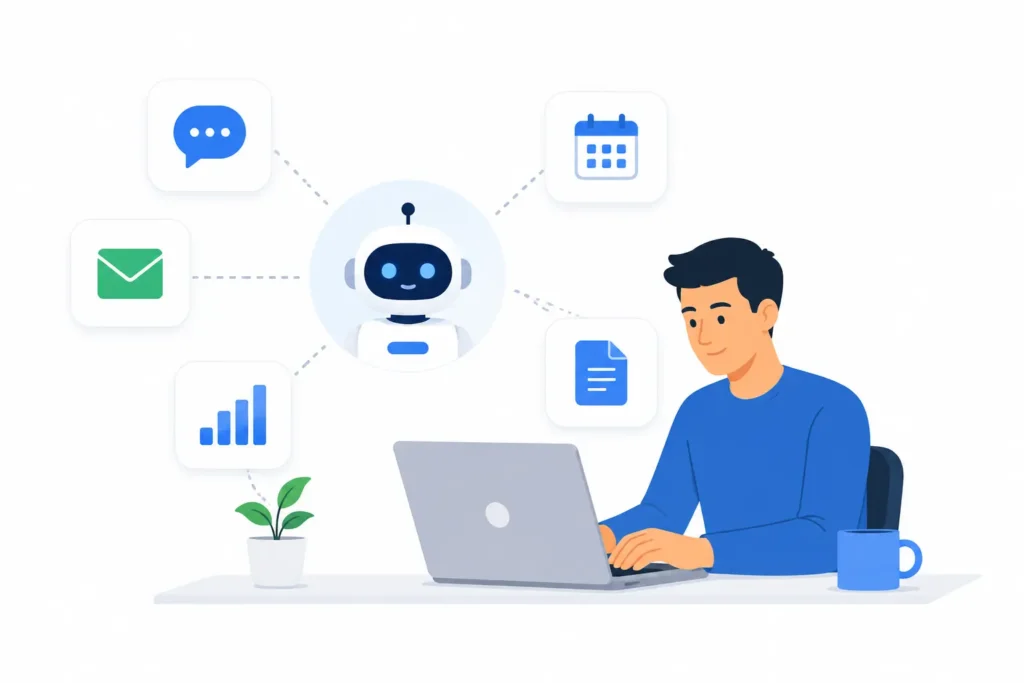
AI agents are not the same as regular chatbots. While traditional chatbots may only be able to answer specific questions, the AI agent can perform tasks, make decisions based on a set of rules, interact with software tools and handle workflows across several systems. Having an AI agent listen to a customer’s inquiry, check the inventory, create a customer ticket, send an e-mail follow-up and update the CRM system automatically, for instance.
Provide small businesses with a friendly handset to save the administrative load that can hinder growth for an organization that has limited staff. Employees can let off resources which are spent each week on repetitive data entry, scheduling or answering routine questions that can be automated, and work with the humans to make decisions and build relationships.
Discover What Small Enterprises Perceive as Real Value
The most successful application of AI agents is with customer support. Whether it’s pricing, phone calls, products delivered or service available, appointment times, or money back guarantees, many small businesses are asked the same questions time and time again. These questions can be answered in real time, even after business hours, due to AI agents’ promptness, improving the response time and enhancing customer satisfaction.
AI agents are also effective in handling sales support tasks. They can screen leads, gather contact details and make appointments, as well as follow up with custom messaging. This allows you to keep in touch with potential customers all the time without having to track each one individually and manually.
There are also tangible advantages of administrative tasks. AI agents can allocate documents, provide meeting summaries, draft bills, prepare reports, etc., and maintain business records. Many small businesses have tasks that take up a lot of their time, which can often be more quickly realized than other AI initiatives, when tasks are automated.
What is Not Usually Achieved
One reason why businesses get disappointed is that when they use AI agents, they imagine them to make complex decisions with limited supervision. AI agents don’t care about management.AI agents can be great helpers, but not professional managers. They may get things wrong, and their discernments may fail to appreciate context, leading them sometimes to error on the information line as well.
Generally, this makes AI agents a less effective option for negotiations, hiring, financial strategy, legal matters, and for situations where deep expertise within the industry is required. Companies which assume they should be fully automated usually end up investing more time on correcting the errors than they would have spent gaining from the automation in the first place.
What has worked best is those systems which keep humans as the ones making key decisions and let the AI agents carry out repetitive execution. This balance is made more efficient without compromising quality or accountability.
Identifying the Right AI Agent
We don’t need to use the top of the line platform to power our small business. The ideal AI agent will typically be one that can seamlessly connect with existing tools, like email, CRM platforms, accounting tools, project management platforms, and communication apps. Sometimes the benefits of integration outweigh those of advanced artificial intelligence technology because when systems are not connected it adds work, not shortens it.
There are also issues around set up to consider. If it takes several months for a business owner to automate a useful workflow they should not.If a business owner can use a workflow within a few days, then they should automate it, not in several months. With some of the AI agents needing significant technical development, they might be more appropriate for larger businesses with specialized resources in its IT departments.
Measuring Success
The easiest way to test an AI agent would be measuring time saved. The better the customers respond, the less administrative work is required, more appointments are made, or employees spend less time on repetitive tasks, the more of a value the AI agent is bringing. In implementing automation, businesses should first begin with a limited number of workflows to assess initial outcomes and then roll it out more broadly based on those findings.
Final Thoughts
While AI agents are not the ultimate fix for all business challenges, they are starting to be seen as a viable option for small enterprises aiming to streamline their operations. Established businesses seeing the most benefits from the use of AI agents are implementing them as automation tools to be used in conjunction with existing teams to boost customer responsiveness. The best thing is not the most advanced AI, but the AI agent that can save small business owners time, seamlessly connect with existing business tools, and let them delve into growth rather than repetitive tasks.