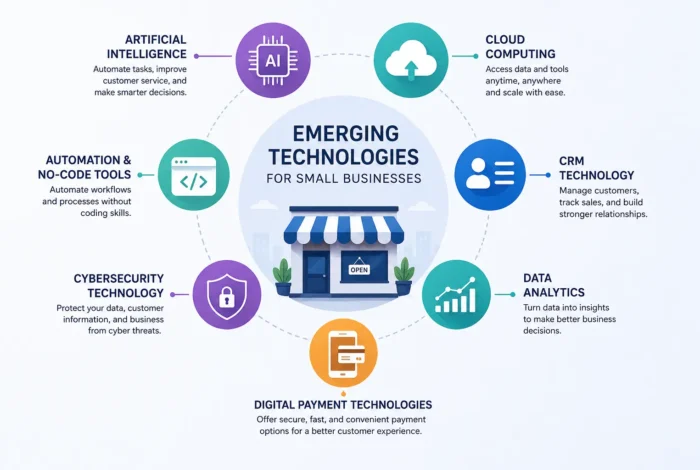

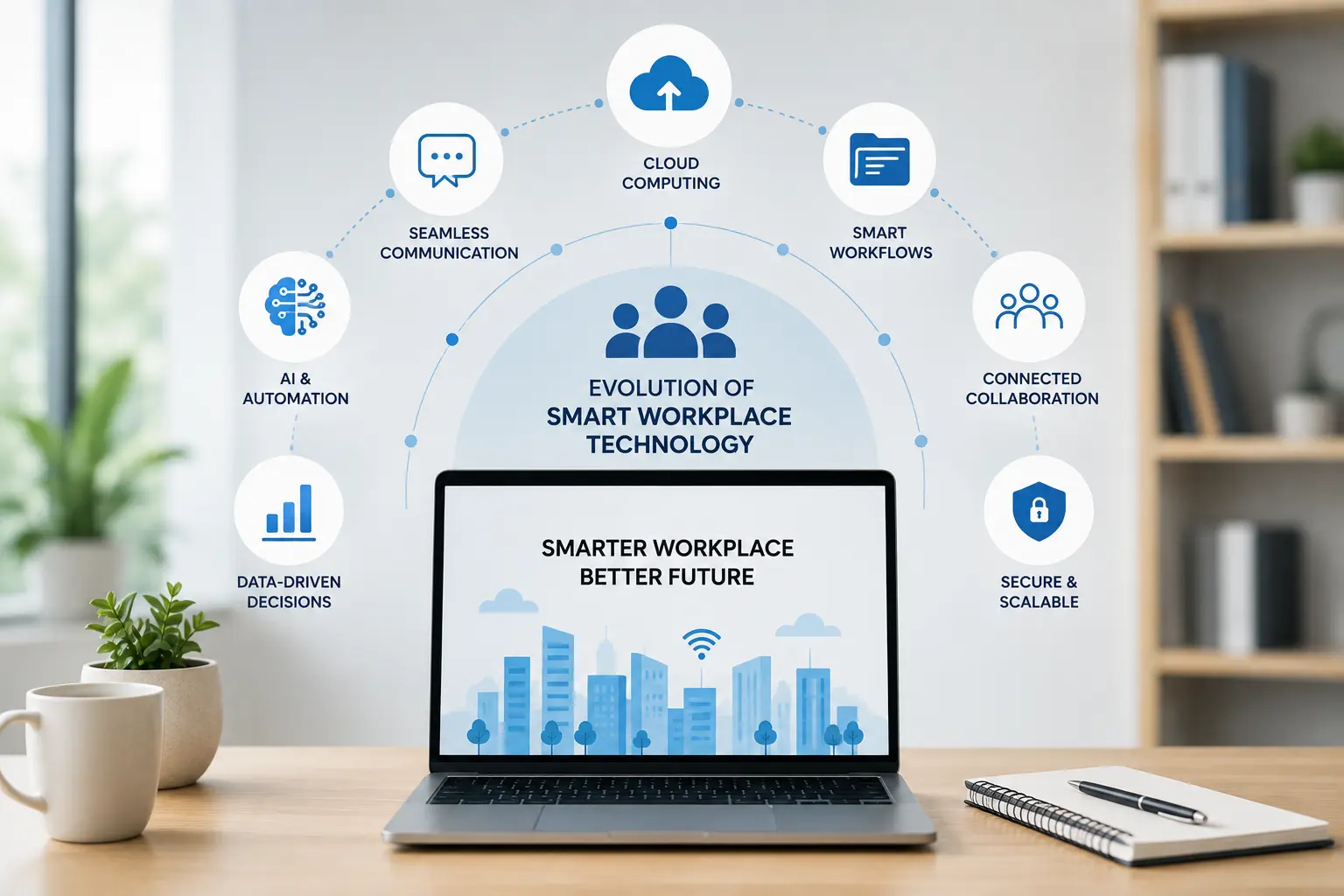
The world of work is so different than 10 years ago. Gone are the days of solely using spreadsheets, email threads and manual record-keeping to maintain business operations. In today’s world, smart workplace technology is assisting organizations to streamline tasks, communicate more effectively and make quicker decisions. With platforms such as ThinkAIHub emphasizing the latest innovations in AI, SaaS, and business technology, it is clear that companies that are looking to remain competitive in today’s workplace need to innovate.
This transition towards a smarter workplace started with the cloud, where workers can access files and applications from the cloud. Although this was very positive, it became clear that processes moved to online platforms were not sufficient. The teams required systems and tools to minimize repetition, integrate with other systems, and work with data to generate valuable knowledge. This need left room for a new breed of workforce technology – driven by automation and AI.
A journey from the Digital Tools to the Intelligent Workflows
The initial applications of technology at work were to automate current tasks. They replaced paper files with digital files, and changed the way they communicate from phone to email in their businesses. While these changes increased efficiency, there was still much time being wasted by using manual information management processes.
Modern space technologies have come replete with far more than a smart workspace has dreamed of today. So modern systems can assist you easily arrange papers, arrange dates for meetings, create reports, even go ahead and pinpoint where the process is languid before it turns into an issue. These technologies are more than just tools; they can be intelligent assistants that enable teams to remain productive all day.
For expanding companies, it has proved to be very handy to grow their operations without always erecting new and bigger spending structures. The decrease of administrative tasks will enable them to devote more time to innovative solutions, customer interactions, and strategic planning.
What is the Point of Productivity if it’s Simply about Working Harder?
Over the past number of years, productivity has been gauged according to the amount of time that employees put in at work. Businesses of the present day are starting to understand that efficiency is important, and not just time. Smart workplace technology can provide organizations with the ultimate aim of enhanced results by eliminating tasks that are not necessary, and by making information more accessible.
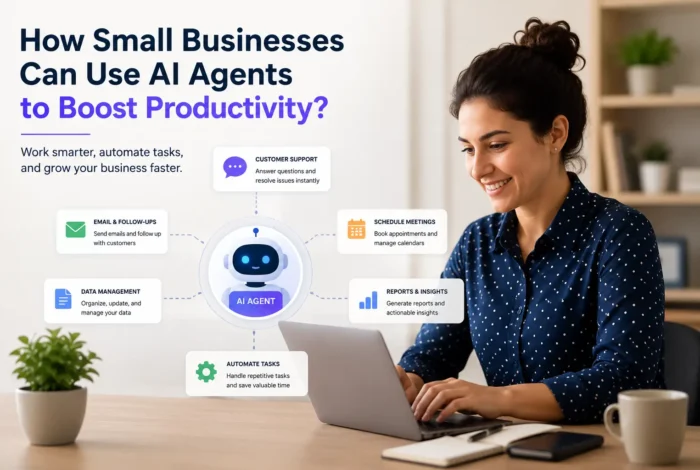
AI is now a major factor in the overall productivity of the work environment. Intelligent systems enable an analysis of large volumes of data in seconds, which means managers’ decisions are informed more quickly. Automated workflows can take care of repetitive tasks like data entry, booking appointments, and follow-ups with customers, freeing up time for teams to concentrate on more valuable tasks.
This transformation has enabled companies to have work environments that allow their staff to work less in the process and more in the impact they hope to produce.
An Exploration of Connected Collaboration
Smart workplace tech usage by remote and hybrid workforce has surged in enterprises. Often teams are based in various cities, countries and time zones, so collaboration must be seamless.
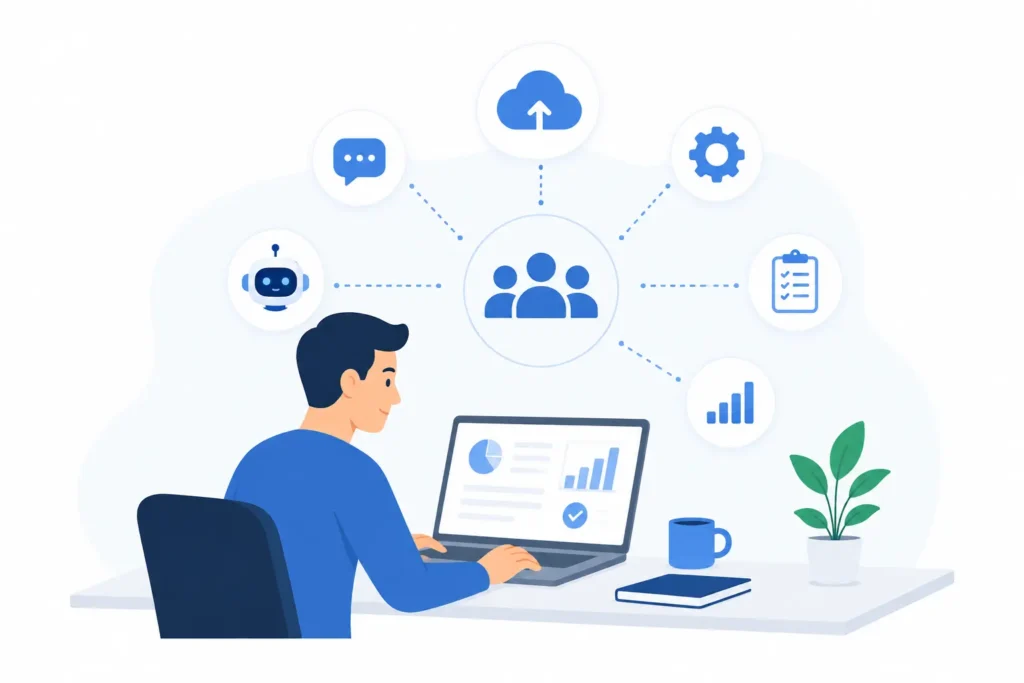
New work applications consolidate communication, project management and document management all within one application. Information is available at a moment’s notice to employees, they can collaborate in real-time without relying on multiple systems, and they can monitor the progress of a project without having to switch between multiple systems. It helps minimize confusion and ensures everybody is on the same page regarding priorities.
The benefits of new connected collaboration technologies on the work front are clear – and as ThinkAIHub continues to study new business models and applications, there’s no doubt that businesses that manage to adopt systems like this are likely to be better prepared for future shifts in the way they work.
Looking Ahead for the Workplace of the Future
The future of workplace technology will most likely be all about personalization and more automation. AI Chatbots will become even more effective at handling daily tasks, forecasting employee requirements and recommending solutions that are based on real-time data. Intelligent systems will be playing an increasingly significant role in enhancing customer experiences, optimizing business processes and guiding strategic decision making.
The intent of these technologies is to complement rather than supplant human workers. The ones who will be most successful will be those that utilize advanced technology, but also employ creative, leadership and critical thinking skills.
Final Thoughts
Smart workplace technologies are changing the way businesses grow, collaborate and operate. Although primarily digital products, what was once a simple tool has turned into a smart solution that could assist teams to be faster, smarter, and more efficient. In a world becoming ever more digital, keeping up with the latest in your industry’s innovations is more important than ever for businesses.
ThinkAIHub offers insights on the latest advancements and trends in AI, SaaS and new business technologies, offering insights to help you understand future trends impacting business. Today’s innovations can help your business shape a more productive and adaptable environment for the future.